Neuroengineering · Behavior · Computation

How does a brainlearn to sing?

We study how brains learn complex vocal behavior, build AI that reveals the structure of animal communication, and engineer new interfaces to the nervous system.

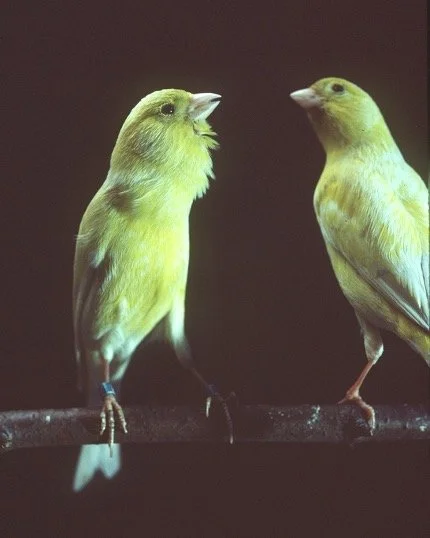
Canary used in birdsong research01 / Song learning

University of Oregon
Knight Campus

What we investigate

Research across scales

Canary used in birdsong research01

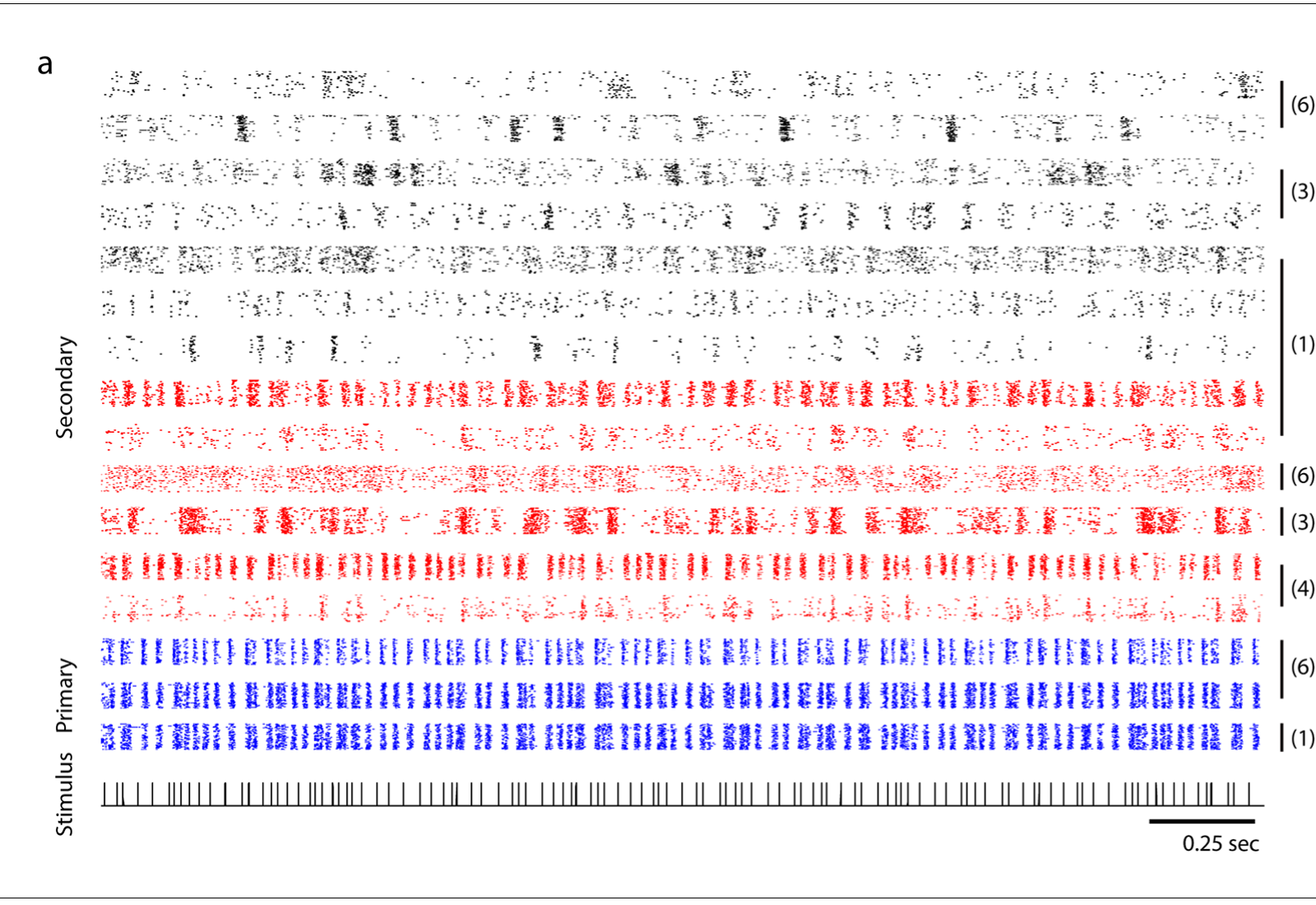
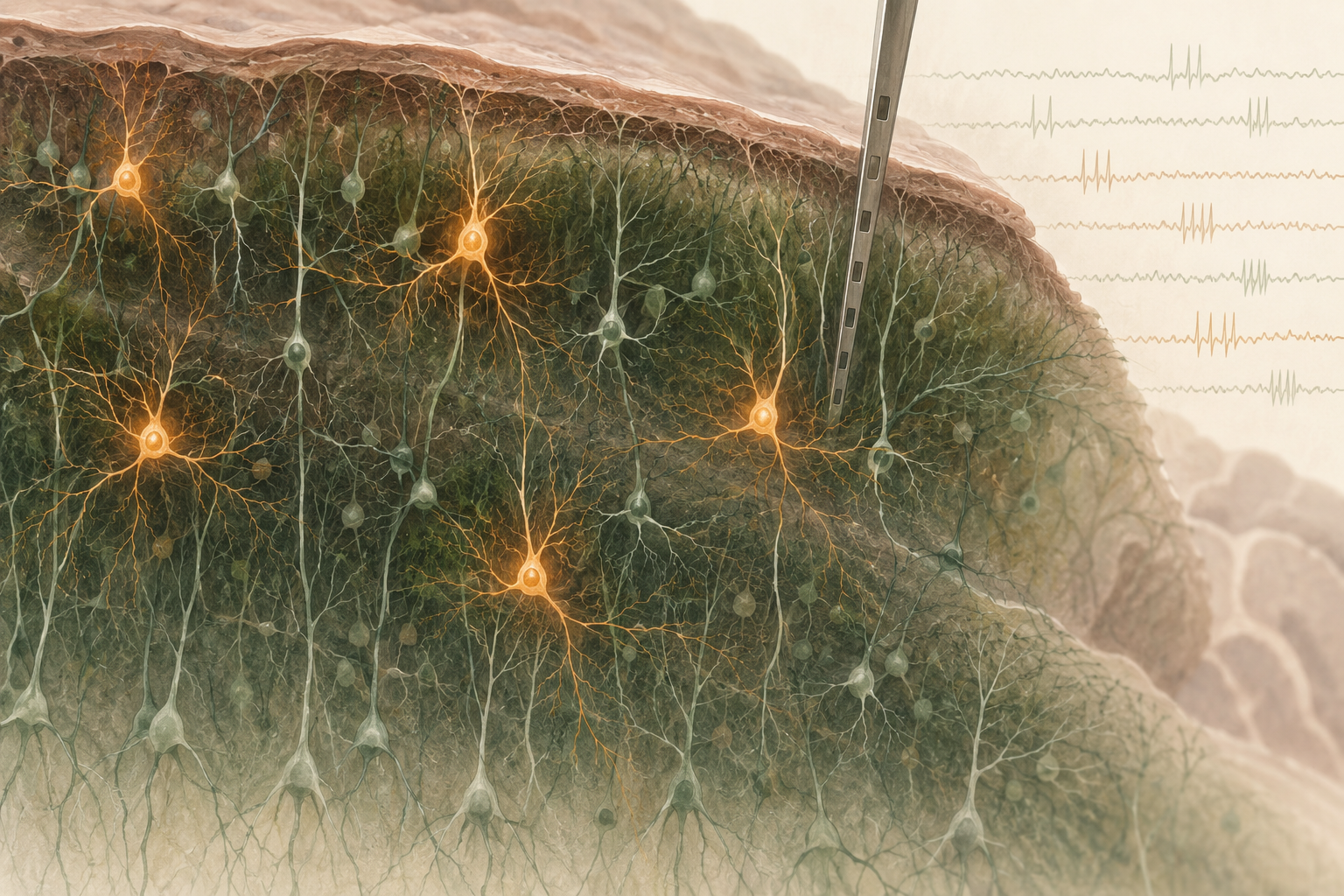
Birdsong & neural computation

We use songbirds to uncover how biological neural networks learn and produce complex, precisely timed behavior.

Our experiments span vocal learning, neural circuit dynamics, electrophysiology, and cellular-scale imaging in singing birds.

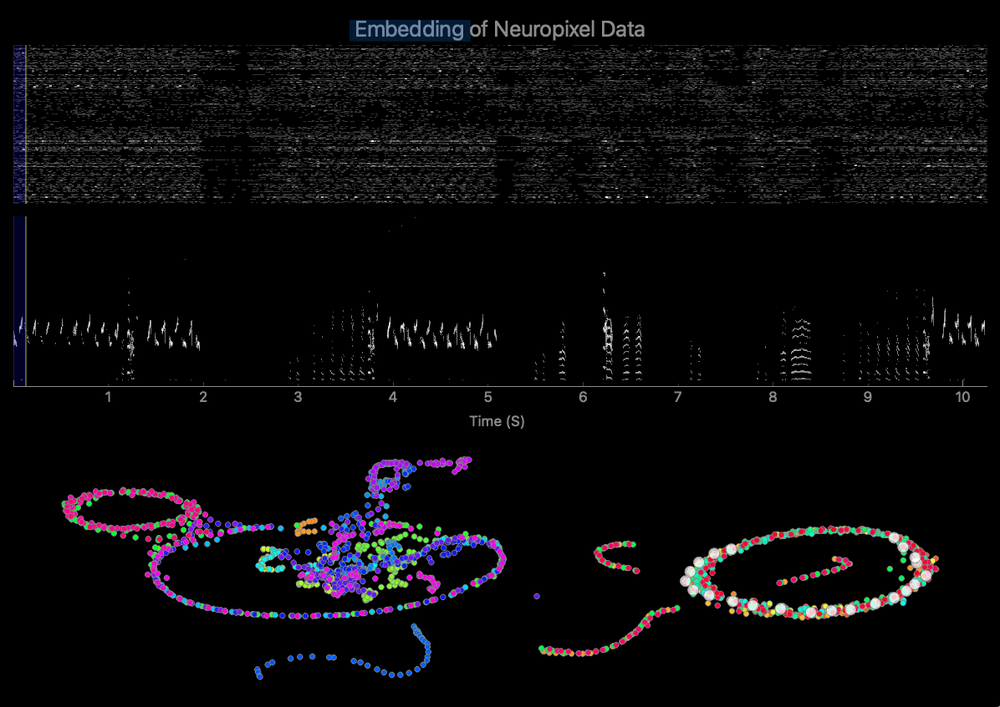
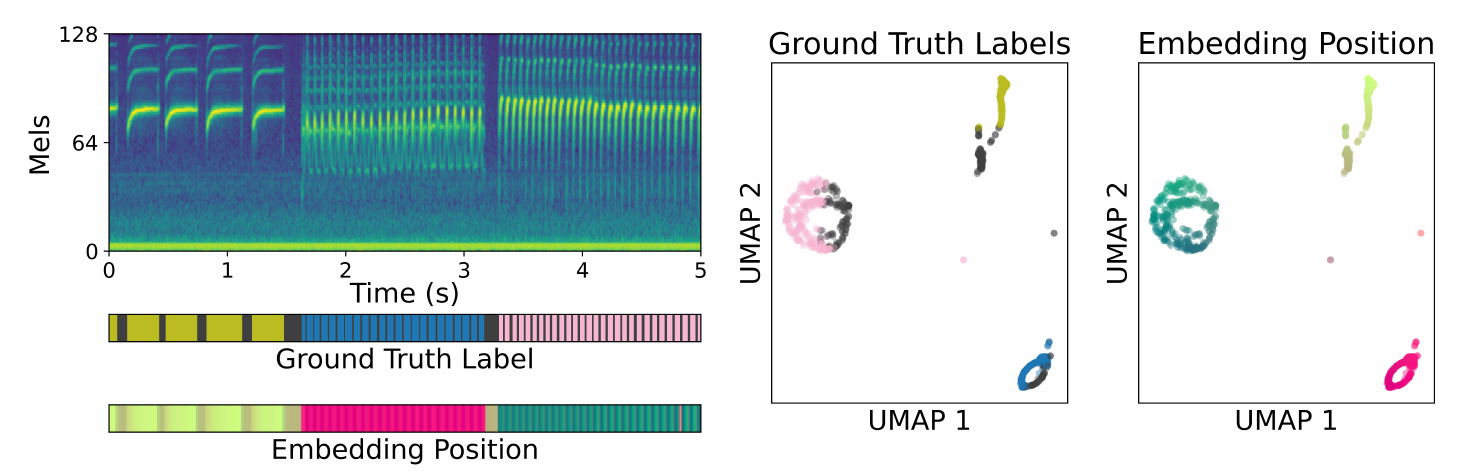
Machine-learning analysis from the Gardner Lab02

AI for animal communication

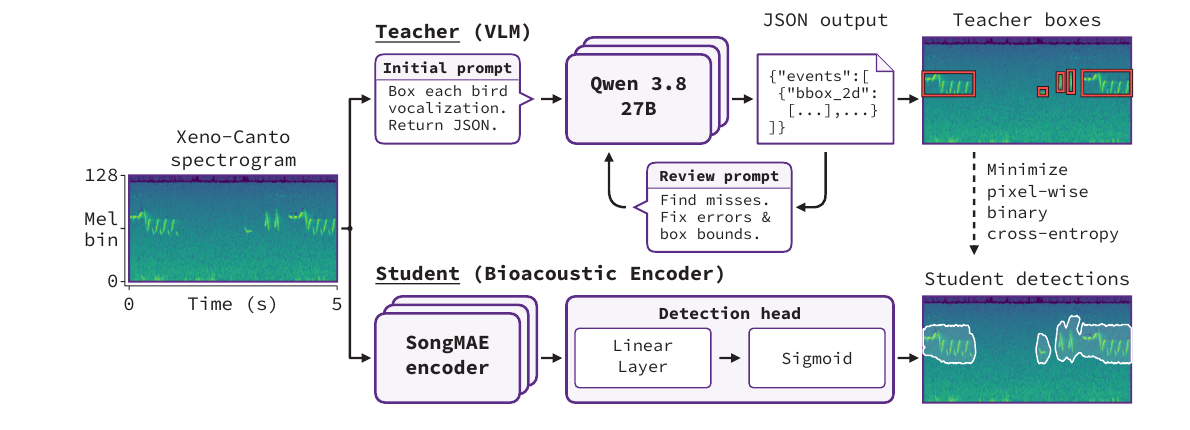
We build self-supervised models at the natural timescale of birdsong, allowing machines to discover, parse, and compare vocal units with very little labeled data.

SongMAE combines 5 ms representations with spatial masking to resolve individual syllables while retaining strong species-classification and detection capabilities.

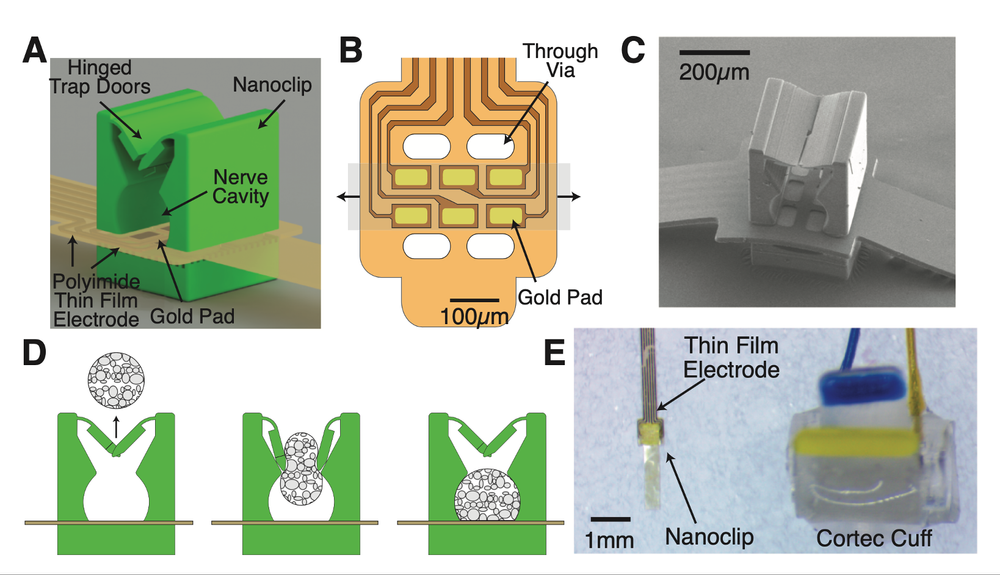
Neural interface developed by the Gardner Lab03

New neural interfaces

We build miniature, long-lived interfaces for recording and stimulating the nervous system.

Projects include direct laser-write 3D printing, thin-film ultramicroelectrodes, miniature microscopes, and chronic peripheral nerve interfaces.

SongMAE → circuit discovery

SongMAE helps us see the structure of song. This work asks which neural circuits keep that structure moving.

Featured research · bioRxiv preprint

How does the brain keep a learned song on time?

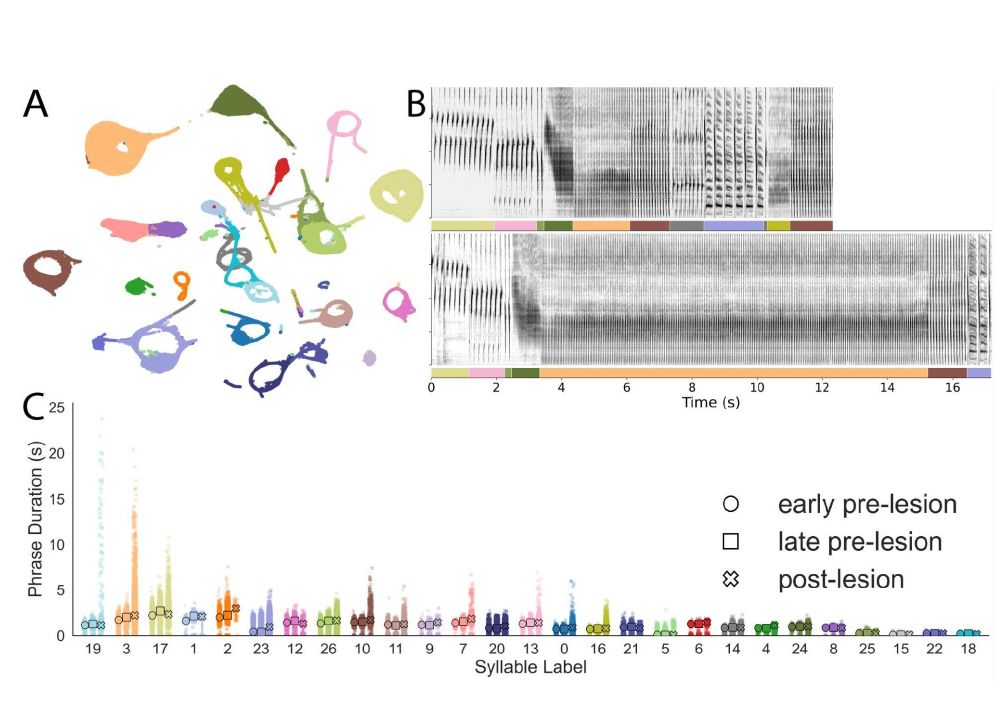
Canary song depends not only on producing the right syllables, but on knowing when to move to the next one. By pairing targeted neural-circuit lesions with high-throughput TweetyBERT analysis of thousands of songs, we found that disruptions involving medial Anterior Forebrain Pathway circuitry destabilized phrase timing. Affected birds developed sustained, prolonged, and variable repetition of particular syllables, revealing an ongoing role for basal-ganglia circuits in fluent learned behavior.

Read the preprint “Stuttering-like” describes prolonged syllable repetition before transition; it does not imply direct equivalence with human developmental stuttering. Preprint; not yet peer reviewed.
TweetyBERT syllable clusters, before-and-after canary spectrograms, and phrase-duration measurements showing prolonged syllable repetition after a neural-circuit lesion
TweetyBERT annotations reveal prolonged repetition of a single syllable after lesions involving medial AFP circuitry, while phrase-duration changes are concentrated in a subset of syllables. Adapted from Hulsey-Vincent et al. (2026), CC BY-NC 4.0.
21Adult canaries
1,000sSongs analyzed per bird
0.017Adjusted p-value vs. controls

About the lab

Understanding how brains learn and produce complex behavior.

The Gardner Lab studies birdsong vocal production to understand how biological neural networks learn and produce complex behavior. Our work ranges from machine-learning analysis of behavior and electrophysiology to cellular-scale imaging in singing birds.

Alongside this basic science, we develop new neural interfaces designed to form stable, long-term connections with the brain and peripheral nervous system.

A growing focus is designing AI around the natural temporal structure of animal communication, rather than importing assumptions from human speech.
Vocal learningElectrophysiologyDeep learning3D microfabricationBioelectronic medicine

Lab community

People across disciplines

Tim Gardner

Principal Investigator

Tim Gardner

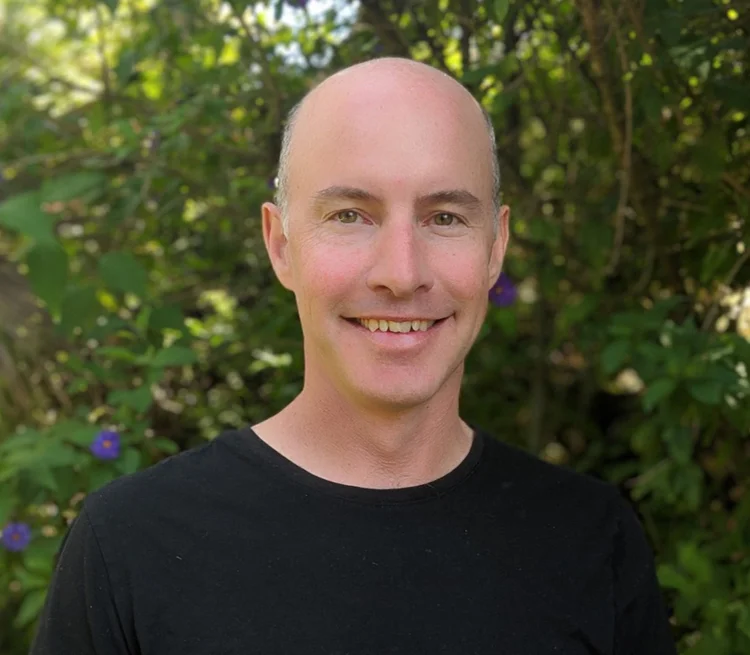
Associate professor of neuroengineering studying songbirds, neural circuit dynamics, and next-generation brain interfaces.

Taylor Nakayama

Postdoctoral Scholar

Taylor Nakayama

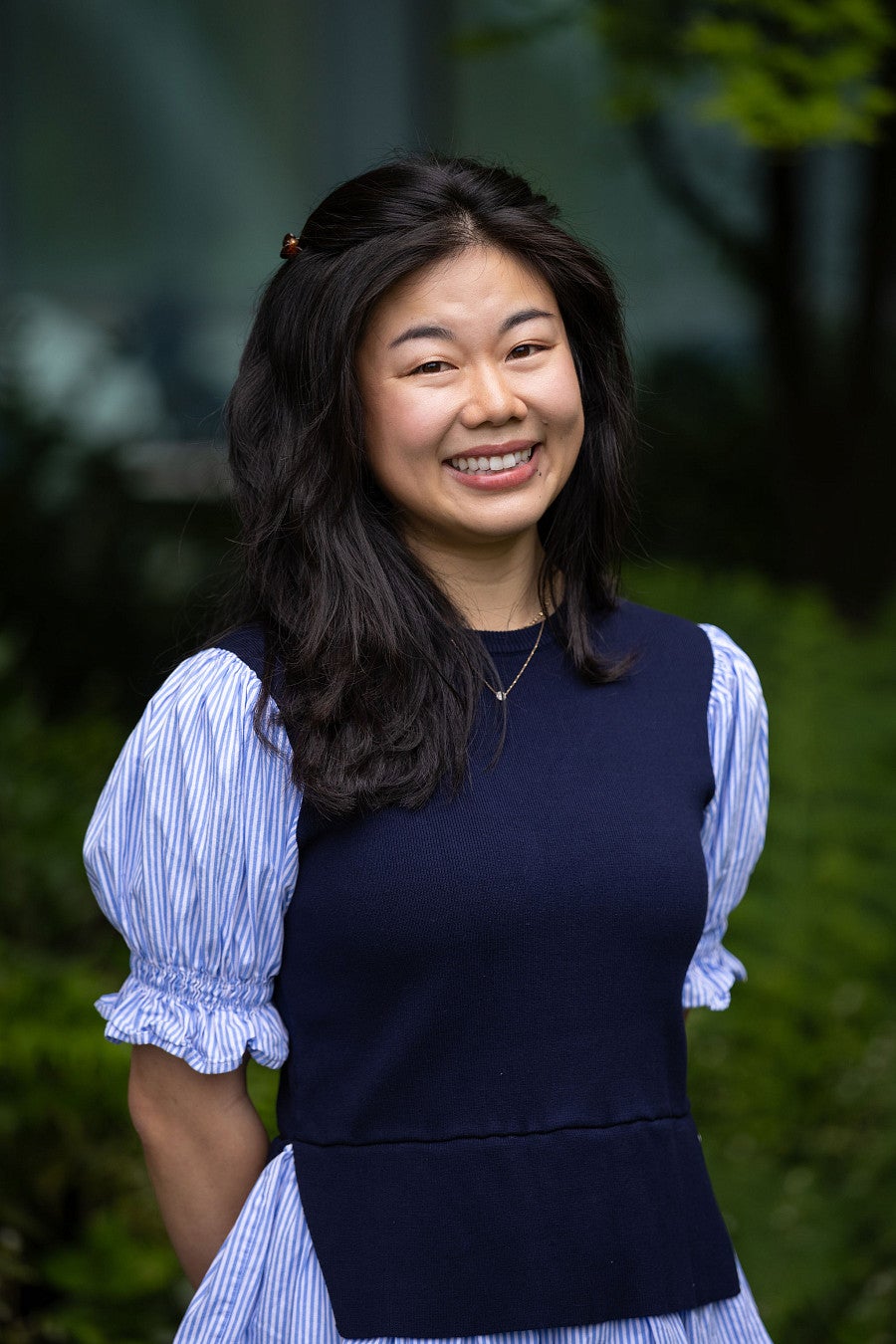
Taylor studies how inhibitory-circuit gene programs regulate critical-period plasticity. Her recent work identified Calbindin (Calb1) levels in visual-cortex inhibitory neurons as a determinant of plasticity, showing that reactivating critical-period-stage gene expression can restore juvenile-like plasticity in adult circuits. In the Gardner Lab, she will investigate mechanisms of plasticity regulation through chronic neural recordings in mice.

George Vengrovski

PhD Student · Institute of Neuroscience

George Vengrovski

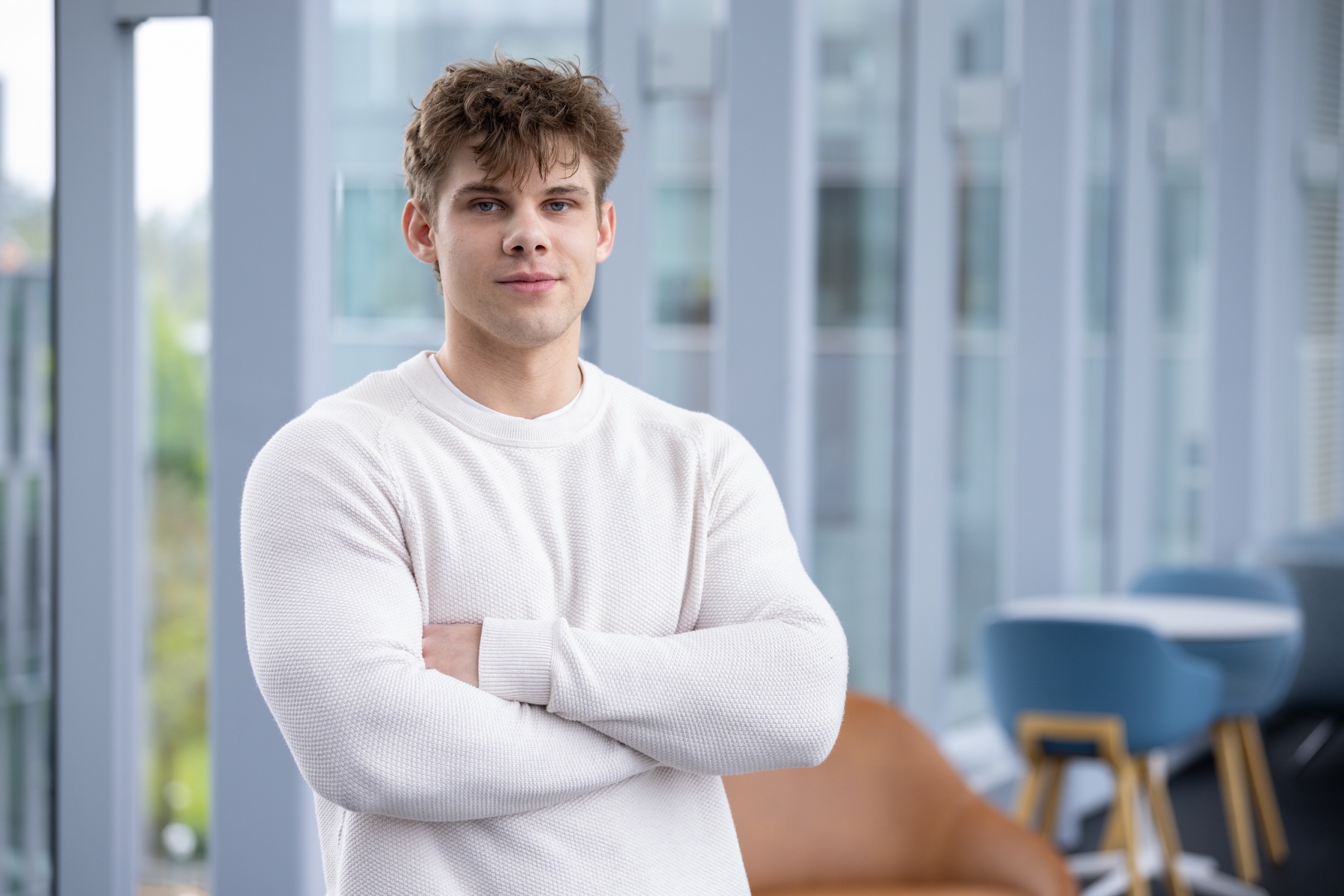
George develops self-supervised AI for understanding the structure of birdsong. His work includes TweetyBERT, which learns to parse unlabeled canary song into notes, syllables, and phrases, and SongMAE, a large-scale bioacoustic encoder designed around the natural timescale of birdsong.

Rose Hulsey-Vincent

PhD Student · Institute of Neuroscience

Rose Hulsey-Vincent

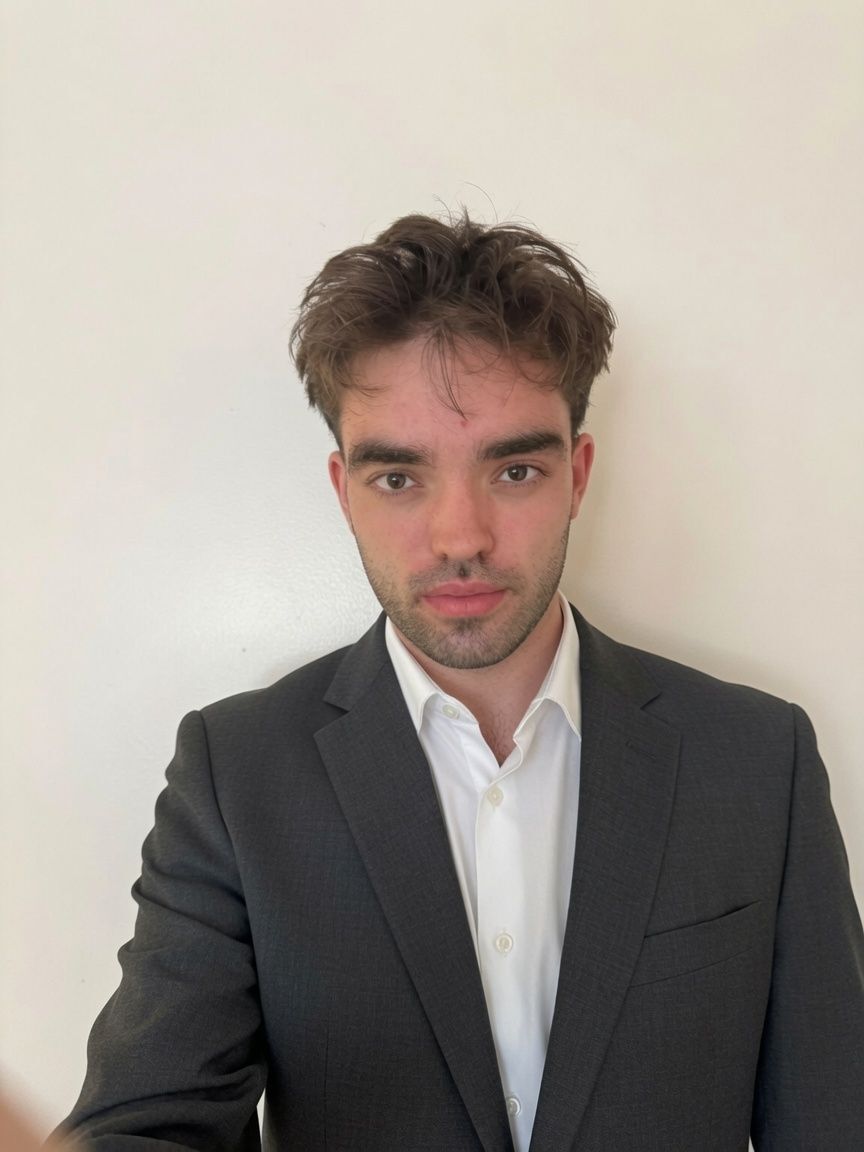
Rose studies how basal ganglia circuits control the timing and sequencing of learned vocal behavior. Her work combines targeted experiments in adult canaries with high-throughput TweetyBERT analysis, revealing how disruption involving the medial anterior forebrain pathway destabilizes phrase timing and produces stuttering-like syllable repetition.

Diana Ostojich

PhD Student · Knight Campus Bioengineering

Diana Ostojich

Diana develops new devices for neuroscience applications. As an undergraduate at the University of Illinois Urbana-Champaign, she gained experience in microfabrication, materials science, and electrical engineering in a biosensors lab. She now applies those skills to sensor design and more effective interfaces for the peripheral and central nervous systems.

Peter Chudinov

PhD Student · Knight Campus Bioengineering

Peter Chudinov

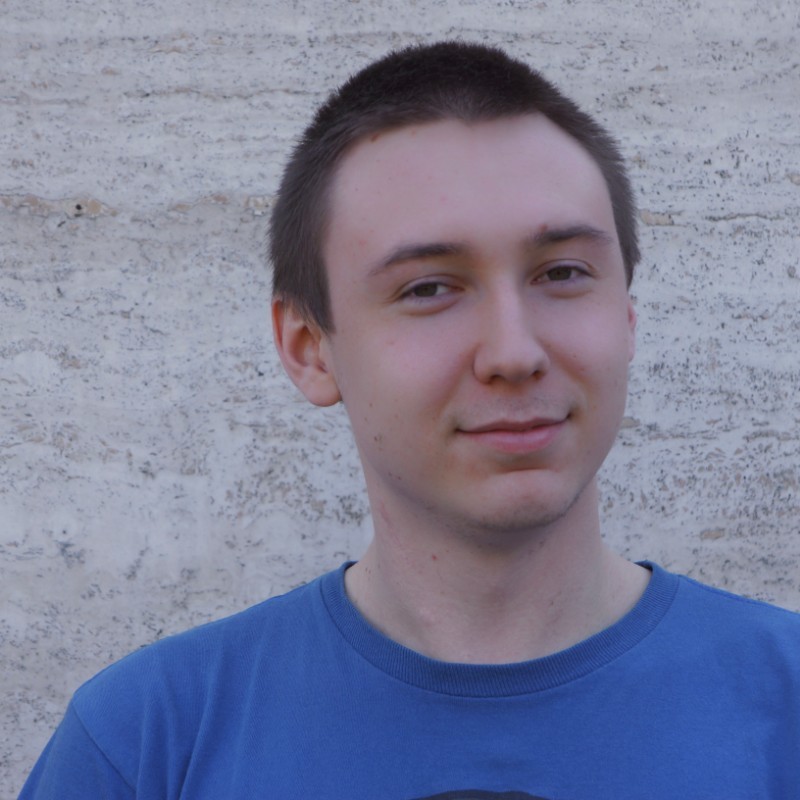
Peter is working on self-supervised models of birdsong with an emphasis on JEPA architectures. Previously, he worked on non-invasive neural interfaces and low-cost microscopes.

Cole Edwards

Undergraduate

Cole Edwards

Cole applies the lab’s TweetyBERT machine-learning model to label birdsong and investigate the higher-order structure of song syntax.

Publications & press

Follow the ideas into the world.

Explore peer-reviewed research in neural computation, vocal learning, machine learning, and neural interface engineering.

View Google Scholar
01bioRxiv preprint · August 2026SongMAE: A bioacoustic encoder for birdsong02Nature Reviews NeuroscienceCanaries record song history033D Printing IndustryA 3D-printed device to better understand birdsong04University of OregonA 3D-printed device designed to excite nerves

Software resources

Tools for studying complex behavior.

Browse code and workflows developed in the lab for analyzing birdsong and connecting machine learning with behavior.

Join the conversation

Different backgrounds. Shared curiosity.

We welcome conversations with prospective students, postdocs, collaborators, and people building new tools for neuroscience.

timg@uoregon.edu
1505 Franklin Boulevard, Eugene, Oregon 97403